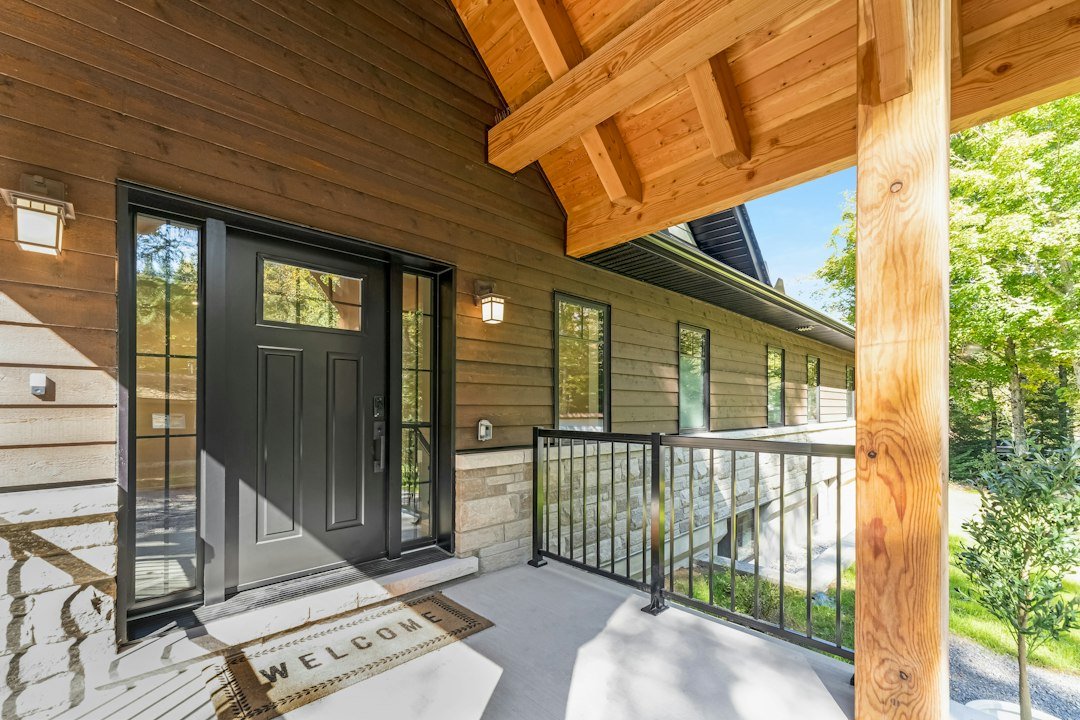
A 1,500-square-foot home can require more or less than 1,500 square feet of siding because the exterior wall area is different from the interior floor area. Number of stories, building shape, wall height, gables, and openings all matter. Current 2026 cost data supports a broad planning range of roughly $6,000 to $20,000 for many common siding projects, with premium materials or difficult homes potentially reaching the mid-$20,000s or more.
Use our siding replacement cost calculator to compare measured exterior siding area, material, home complexity, and broad U.S. market settings. The tool does not separately calculate old-siding removal or hidden wall repairs; ask installers to quote those items.
1,500 Sq Ft House Siding Cost by Project Level
| Project Level | Planning Range | Typical Scope |
|---|---|---|
| Budget | $6,000–$10,000 | Basic vinyl, simple elevations, limited repair work |
| Midrange | $9,000–$16,000 | Better vinyl, engineered wood, standard tear-off and trim |
| Premium | $14,000–$25,000+ | Fiber cement, wood, complex trim, repairs, premium finish |
How Much Siding Area Does a 1,500 Sq Ft House Have?
Fixr’s 2026 guide estimates that a 1,500 sq ft home may require roughly 1,600 to 1,800 square feet of siding. Actual wall area depends on the footprint, number of stories, ceiling height, gables, attached garages, and openings.
Worked Example: Estimate Exterior Wall Area
Consider an illustrative one-story 30 × 50 ft home with a rectangular footprint of 1,500 sq ft. Its outside perimeter is 2 × (30 + 50) = 160 linear ft. For 9-ft exterior walls, the simple gross wall rectangle is 160 × 9 = 1,440 sq ft before gables or other features. If windows and doors together account for an assumed 240 sq ft of openings, that leaves about 1,200 sq ft of net rectangular wall area. Gables, garages, dormers, trim details and a material waste allowance must then be considered separately. The assumed openings here are for demonstration only, not measured conditions or a sourced U.S. average.
A two-story house with the same total living area can have a smaller footprint and taller exterior walls, giving a different result. Ask siding installers to measure wall elevations directly and distinguish net installed area from material order quantity and the scope of trim or repairs. The Siding Cost Calculator accepts siding area, not interior house floor area.
Example Budget
For a straightforward 1,500 sq ft home with old siding removed, housewrap inspected or replaced, standard trim, and midrange vinyl, a planning budget around $8,000 to $13,000 is reasonable in many markets.
Material Choice Changes the Total
Vinyl usually controls upfront cost. Engineered wood can provide a different appearance at a midrange price. Fiber cement generally costs more because the material is heavier and installation is more labor-intensive. Natural wood can add both installation and future maintenance cost.
Do Not Ignore Hidden Wall Damage
Removing old siding can uncover soft sheathing, damaged trim, failed flashing, insect damage, or moisture problems around windows and doors. A contractor may include a small repair allowance or price repairs by square foot or time and materials.
Compare Quotes on the Same Scope
- Same material brand and product line
- Same siding area and waste allowance
- Same tear-off and disposal scope
- Housewrap and flashing details
- Window, door, corner, and trim treatment
- Soffit and fascia inclusions
- Sheathing repair pricing
- Warranty and cleanup
1,500 vs. 2,000 Sq Ft House
A larger home generally needs more material, but the relationship is not perfectly linear because wall area depends on shape and stories. Compare our 2,000 sq ft siding replacement cost guide for a larger planning scenario.
How to Measure the Scope Before You Compare Siding Prices
Living area and siding area are different measurements. Before accepting a price based only on “a 1,500 sq ft house,” ask the contractor what exterior wall area the quote actually covers and what has been deducted for large openings.
Then separate the project into five scope groups:
- Siding panels: exact product, profile, color, and finish.
- Removal: existing siding, disposal, and any multiple layers.
- Weather-resistive layer: housewrap, flashing, and opening details.
- Trim: corners, windows, doors, soffit, fascia, and transitions.
- Repairs: sheathing, rot, insect damage, or water intrusion discovered after removal.
That breakdown makes a siding quote much easier to audit and helps explain why two contractors can price the same house very differently.
Where Budget Surprises Usually Appear
The largest surprises often show up after the old cladding is removed. If the proposal does not state how damaged sheathing or trim will be priced, ask for a unit rate or written allowance before work starts. That gives you a clearer way to judge change orders instead of negotiating them after the wall is already open.
FAQ
What is a realistic siding budget for a 1,500 sq ft house?
For many common materials, $6,000 to $20,000 is a useful broad planning range in 2026. Premium materials and extensive repairs can go higher.
Does insulated siding save money?
Insulated products can improve wall performance in some assemblies, but the value depends on climate, existing insulation, installation details, and the rest of the building envelope.
Can new siding go over old siding?
Sometimes, depending on material, condition, manufacturer instructions, and code. Removing old siding provides the clearest opportunity to inspect and repair the wall underneath.
Sources: Fixr — Siding Replacement Cost (2026) and HomeGuide — House Siding Cost.